Tag: english
-
The joy and vitality of languages
 www.hepi.ac.ukThe joy and vitality of languages – HEPIThis blog was kindly authored by Fiona Devine (Manchester) and Jo Fox (Newcastle), on behalf of the N8 subgroup on Modern Languages. We are very familiar with the story that languages are in decline and share the well-founded concern about the emergence of regional cold spots across the country due to declining numbers of students […]
 -
WEEKEND READING: Why England cannot afford to lose its international Modern Languages Teachers
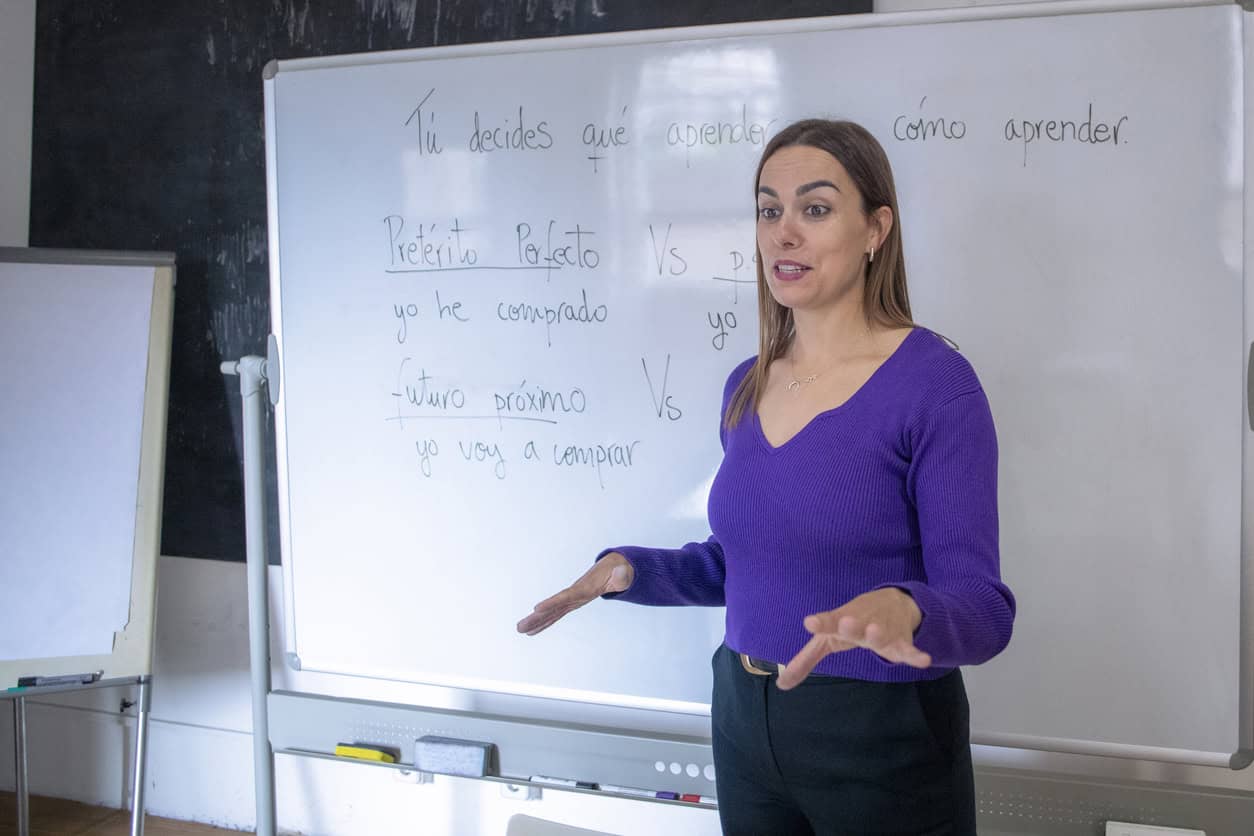 www.hepi.ac.ukWEEKEND READING: Why England cannot afford to lose its international Modern Languages Teachers – HEPIThis blog was kindly authored by Juliette Claro, senior lecturer in Education at St Mary’s University. Co-founder and co -chair of the UCET Special Interest Group for Supporting International Trainee Teachers and the Association for Language Learning Special Interest Group for Creativity in the MFL classroom. England’s Modern Languages (ML) teacher supply is at a […]
 -
How many people speak a language other than English at home?
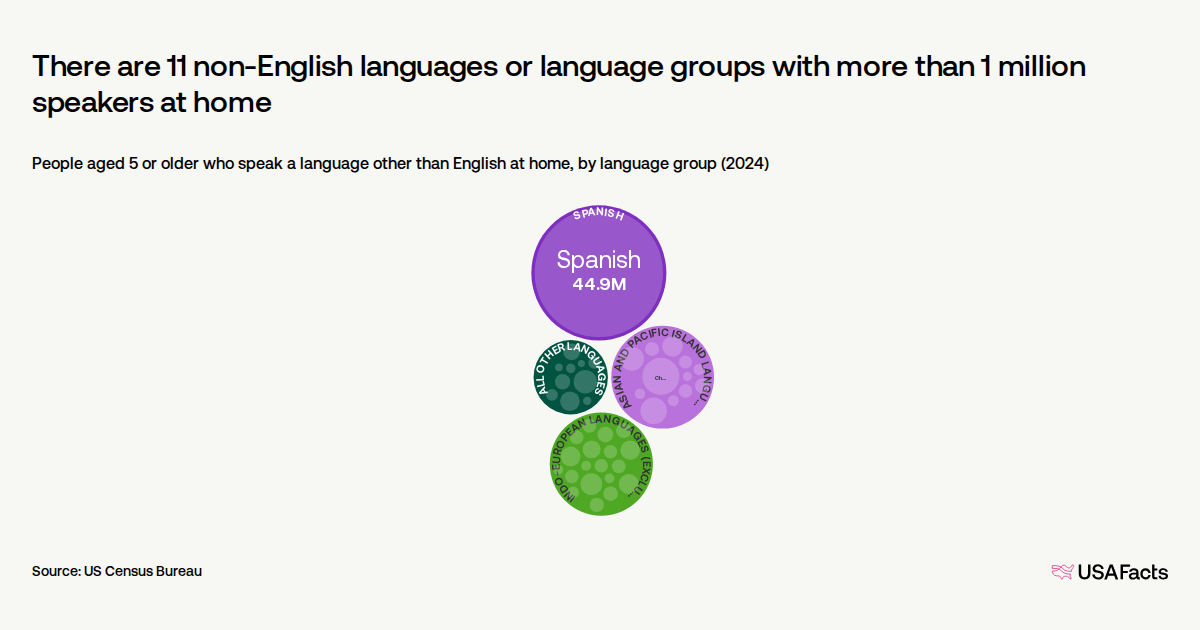 usafacts.orgHow many people speak a language other than English at home? | USAFactsIn 2024, about 74.1 million or 23% of people age 5 and older in the US spoke a language other than English at home. Spanish accounted for more than half. American Community Survey (ACS) data identifies 11 non-English languages that are the primary language in the homes of more than a million people.
 -
New research explores how home languages can strengthen early English reading instruction
 phys.orgNew research explores how home languages can strengthen early English reading instructionDuring a reading lesson, Mateo, an elementary multilingual learner (MLL) in a Delaware public school, read “sit” as “seat.” Jon Kittle, his reading interventionist, walked him through the short vowel sound, but Mateo made the same “mistake” and grew frustrated. Kittle began to wonder if these “errors” were actually the result of Mateo applying what he knew from Spanish, where the letter “i” carries the sound of the English long “ē.”