Tag: english
-
Decoding the absurd — a journey into language quirks
gazettenet.comGuest columnist Jonathan Kahane: Decoding the absurd — a journey into language quirks – Daily Hampshire GazetteWARNING: If you’re short on time at the moment and have a list of even trivial things to do you should skip to the next article immediately. Only pass the next minute or two reading this essay if you wish to immerse yourself in an insignificant — possibly even a meaningless topic of interest to […] -
Dr. Amine Jules Iskandar on heritage, identity, the Syriac Language, and his Mount Lebanon
 syriacpress.comDr. Amine Jules Iskandar on heritage, identity, the Syriac Language, and his Mount Lebanon – SyriacPressBEIRUT — Lebanese architect, historian and author Dr. Amine Jules Iskandar, president of the Maronite Union-Tur Levnon (Mount Lebanon), is calling for a renewed commitment to the Syriac language, arguing that its preservation is inseparable from safeguarding Lebanon’s historical identity, Christian heritage and cultural continuity. Speaking in an interview with Dixit, a program featuring conversations …
 -
At last, a proper excuse for monoglots to learn another language: it helps keep your brain young
 www.theguardian.comAt last, a proper excuse for monoglots to learn another language: it helps keep your brain young | Rhiannon Lucy CosslettI love busting out a French subjunctive in pursuit of better restaurant service, so it’s a joy to discover there’s a neuroscientific upside to being multilingual, says Guardian columnist Rhiannon Lucy Cosslett
 -
How language shapes the way we think
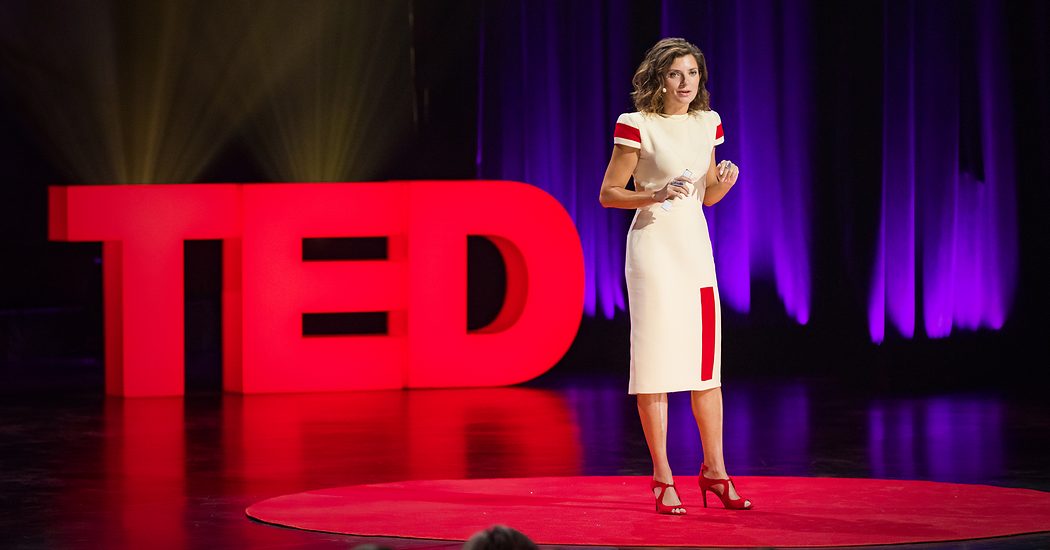 www.ted.comHow language shapes the way we thinkThere are about 7,000 languages spoken around the world — and they all have different sounds, vocabularies and structures. But do they shape the way we think? Cognitive scientist Lera Boroditsky shares examples of language — from an Aboriginal community in Australia that uses cardinal directions instead of left and right to the multiple words for blue in Russian — that suggest the answer is a resounding yes. “The beauty of linguistic diversity is that it reveals to us just how ingenious and how flexible the human mind is,” Boroditsky says. “Human minds have invented not one cognitive universe, but 7,000.”